

Medication decisions require more than selecting a particular tablet strength. A healthcare provider must consider the condition being treated, the patient’s medical history, existing medications, and the potential risks associated with treatment. Ivermectin is one medication that requires this level of attention because its appropriate use depends on the type of parasitic infection and individual patient factors.
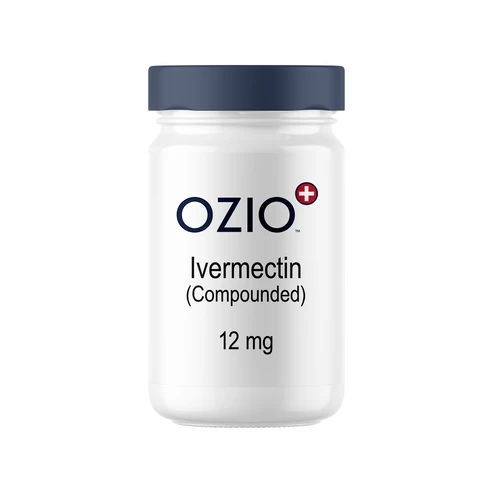
Ivermectin 12mg is a strength that patients may encounter while researching prescription medications. However, the number printed on a medication package does not establish whether it is suitable for a particular person. Patients researching ivermectin 12mg compounded online should understand that compounded medications may differ in formulation and preparation. A discussion with a qualified healthcare provider helps clarify the purpose of treatment, the available formulations, and the precautions that should be followed before starting medication. Patients can also explore information about ivermectin 12mg compounded online to learn more about available formulations and discuss appropriate options with a qualified healthcare professional.
Understanding the Medical Purpose of Ivermectin
Ivermectin belongs to a group of medicines known as antiparasitic agents. It is used to treat certain infections caused by parasites, including strongyloidiasis and onchocerciasis. These conditions involve parasitic worms that affect different parts of the body and require appropriate medical evaluation.
The medication works by interfering with nerve and muscle functions in susceptible parasites. This action helps eliminate or control the organisms responsible for the infection. Depending on the condition, additional medical monitoring may be necessary to assess whether treatment has been successful.
Ivermectin is available in different formulations for human and veterinary use. Human tablets are manufactured for specific medical purposes, while animal products may contain different concentrations and ingredients. These products should never be treated as interchangeable.
Patients should also understand that ivermectin is not an established treatment for every infection or general health concern. For example, the US Food and Drug Administration has not approved ivermectin for preventing or treating COVID-19. Its use should remain connected to an appropriate medical indication.
Why the 12mg Strength Requires Individual Assessment
A medication strength describes the quantity of active ingredient contained in a tablet. It does not automatically represent the amount a patient should take during treatment.
Ivermectin prescribing decisions may depend on body weight, diagnosis, infection severity, age, and other clinical considerations. A healthcare provider evaluates these factors before determining an appropriate prescription.
Patients should avoid using another person’s prescription as a reference. Two individuals with similar symptoms may have different diagnoses, medical histories, and treatment requirements. A tablet strength that has been prescribed to one person may not be suitable for someone else.
The prescribed amount and schedule should always be confirmed through the prescription label and instructions from the treating professional. Taking additional tablets, repeating treatment without advice, or changing the schedule can increase the risk of unwanted effects.
Medical History to Discuss Before Treatment
A healthcare provider needs accurate information about a patient’s health before prescribing ivermectin. Certain medical conditions and previous reactions may affect the decision to use the medication.
Patients should mention:
- Previous allergic reactions to ivermectin or other medicines.
- Existing liver or other significant health conditions.
- Pregnancy, plans to become pregnant, or breastfeeding.
- Current infections and any recent parasitic disease treatment.
- Previous reactions to antiparasitic medicines.
- Conditions affecting the immune system.
- Any history of neurological symptoms or unexplained reactions to medication.
Travel history may also be relevant. People who have lived in or visited particular regions may have been exposed to parasites that influence treatment decisions. For example, possible exposure to Loa loa infection in certain parts of Central and West Africa requires special consideration before ivermectin treatment because serious reactions can occur in affected individuals.
Providing complete information allows the healthcare professional to evaluate potential risks rather than relying only on the symptoms reported during an appointment.
Reviewing Other Medications and Possible Interactions
Patients frequently take several medicines at the same time. These may include prescription treatments, non-prescription products, vitamins, herbal preparations, and nutritional supplements.
A healthcare provider or pharmacist should review this complete list before ivermectin is started. Certain medicines may influence how treatment is managed or increase the possibility of adverse reactions.
Patients taking blood-thinning medication should specifically mention it during the consultation. Other medicines may also require attention depending on the individual’s treatment history.
It is helpful to bring medication packaging or maintain an updated list containing product names, strengths, and usual schedules. This reduces the chance of overlooking a product that could affect the treatment plan.
Patients should not stop an existing prescription simply because they are beginning ivermectin. Any necessary changes should be discussed with the prescribing professional.
Possible Side Effects and Warning Signs
Like other prescription medicines, ivermectin can cause unwanted effects. Some reactions are relatively mild, while others require prompt medical attention.
Reported side effects include dizziness, nausea, vomiting, diarrhoea, abdominal discomfort, weakness, and changes in appetite. The likelihood and nature of these reactions may vary according to the condition being treated and individual patient characteristics.
More serious reactions can include severe skin symptoms, allergic responses, confusion, seizures, and difficulty maintaining normal balance or coordination.
Patients should contact a healthcare professional if they experience unexpected symptoms during treatment. Severe allergic reactions, seizures, significant confusion, or loss of consciousness require emergency medical attention.
People receiving treatment for certain parasitic infections may also experience reactions associated with the death of the parasites. These symptoms can be related to the infection and its treatment, making medical assessment necessary.
Questions Worth Asking During the Appointment
A productive consultation gives patients an opportunity to understand why a medicine has been recommended and what to expect during treatment.
Useful questions include:
- What condition is ivermectin intended to treat?
- Is an oral tablet appropriate for my diagnosis?
- Why has this particular tablet strength been selected?
- Are there any alternatives available?
- Could my existing medicines interact with ivermectin?
- Do I need laboratory tests before or after treatment?
- What symptoms should prompt medical attention?
- Will follow-up testing be required?
Patients should also ask how the medicine should be stored and what to do if a scheduled dose is missed. Clear instructions reduce confusion and help prevent accidental misuse.
The Importance of Obtaining Medication From a Legitimate Pharmacy
The source of a prescription medicine deserves attention. Products purchased from unverified websites may have uncertain ingredients, inaccurate strength information, unsuitable storage conditions, or misleading labels.
A legitimate pharmacy should dispense medication according to applicable prescription requirements. Patients should check that the packaging identifies the medicine clearly and that the product matches the prescription.
Veterinary ivermectin products must never be used as substitutes for human medication. Their formulations and concentrations are designed for particular animal species and may cause serious harm if consumed by people.
Online purchasing should never replace a medical consultation. Patients who have questions about availability or product authenticity can ask their healthcare provider or pharmacist for guidance.
Follow-Up Care and Treatment Evaluation
Receiving a prescription does not always mark the end of medical care. Certain parasitic infections require follow-up examinations to determine whether treatment has cleared the infection.
For example, healthcare professionals may request stool testing after treatment for strongyloidiasis. The timing and frequency of these examinations depend on the diagnosis and the patient’s clinical condition.
Patients should attend scheduled appointments even if their symptoms improve. Symptom relief does not always confirm that an infection has been completely eliminated.
A healthcare provider can review test results, assess any remaining symptoms, and determine whether further treatment or investigation is necessary.
Making Medication Discussions More Effective
Discussing ivermectin 12mg with a healthcare provider should involve the patient’s diagnosis, medical background, prescription requirements, and possible treatment risks. The strength of a tablet alone cannot establish an appropriate treatment plan.
Patients benefit from asking direct questions, sharing complete medication histories, and following professional instructions. These steps support safer prescribing decisions and help ensure that treatment is based on an established medical need rather than information found through informal sources.
